Matahiwi Estate
Wairarapa - New Zealand
The Producer
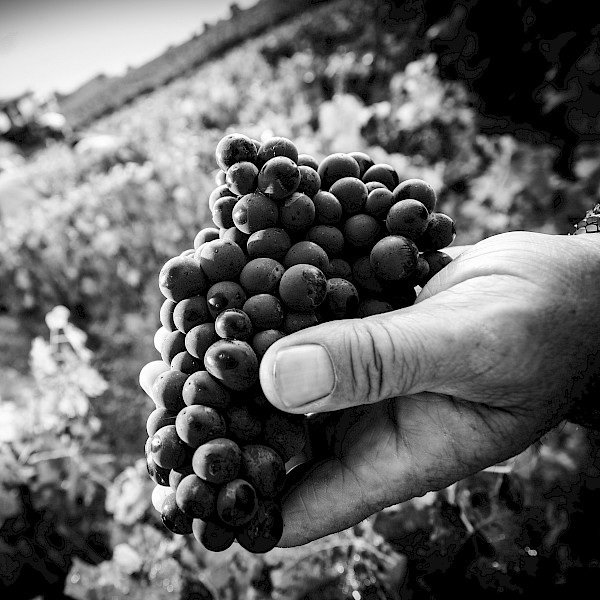
After a successful career overseas, Matahiwi founder Alistair Scott moved his family home to New Zealand to (in his case literally) throw down some roots. In 1998, having surveyed all the major winemaking zones - from Malborough to Martinborough - Alistair decided upon the vibrant but lesser known Wairarapa region, located in the southeast corner of the northern island. In the late 1800s, this district had been home to the first Pinot Noir ever planted in NZ, but following prohibition had largely fallen off the enological map. Helping to restore and elevate cool climate Pinot Noir here has, in fact, become incorporate to the estate's raison d'etre: "Matahiwi Estate is proud to be part of that revival and rebirth of winemaking in this special region - hence the totem of the phoenix on our labels.” Hyper-focused on vine management, both enologist Karina Southey and chief winemaker Miles Dinneen remain integral to this process. In the case of Matahiwi’s Pinot Noir, they have helped oversee the planting of no fewer than 8 different clones across 48 hectares, allowing for a remarkably wide range of flavor profiles and a staggered ripening window. While the region's soil is similar to Burgundy’s and therefore well suited to PN, Matahiwi is also well-known for its quintessential Sauvignon Blanc, whose crowd-pleasing style they liken "to Oyster Bay, but a bit more tropical".
The estate's location also tells a big story: its 75 contiguous hectares are centered around an old riverbed which was lifted up by a massive 8.2 earthquake in 1855. (Mata means "raised" in Maori and hiwi is "plain"). The result was a baseline of free-draining gravel topped with light sandy loam which naturally curbs canopy density and also helps keep disease in check. Located at the northern end of the Ruamahanga River Valley, the vineyard is sheltered on all sides, including by the snowcapped Tararua Range; a set of coastal hills some 35 miles to the east. Despite all the natural barriers, wind remains a defining feature here as it does elsewhere in New Zealand – especially in the spring, when it can reduce flowering and lead to moderate yields. In addition, the natural water table is "ridiculously deep" and Matahiwi lies in a rain shadow that sees some of the North Island’s lowest annual rainfall (800–1200 mm per year). Long story short, this cool, dry, semi-maritime clime is ideal for aromatic grape varieties such as Pinot Noir and Sauvignon Blanc. The long, even-keeled ripening period allows for fully developed fruit and tannins while still preserving plenty of freshness and acidity.
- Enologist
- Karina Southey
- Grapes Grown by Producer
- Chardonnay, Pinot Gris,Pinot Noir, Sauvignon Blanc
- Vineyard Size
- 75.0 ha
- Producer
- Miles Dinneen
- Producer Biography
- With their mantra of making friendly, crowd-pleasing wines, owner Alistair Scott and winemaker Miles Dinneen focus all their efforts on showcasing clean, streamlined fruit. While less known overseas, the Wairarapa district is lauded in New Zealand for its cool climate Pinot Noir and whites made in a vibrant, tropical style.
- Producer Generation
- 1st
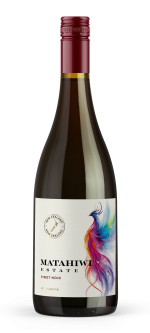
Pinot Noir Wairarapa
With soils similar to Burgundy's and a cool, windswept terrain, the Wairarapa district is producing some of New Zealand's most sophisticated - and approachable - Pinot Noir today. In the case of the pioneering Matahiwi estate, we get layered aromas of red berry, black plum, and French oak followed by a soft, velvety palate and hints of spice and smoke. A lingering, balanced finish brings the experience home.
- 12
- Color
- Ruby
- Nose
- Red berry, dark plum and cherry, with hints of fresh hay and oak
- Palate
- Soft, velvety fruit layered with subtle spice and smoke
- Finish
- Balanced and lingering
- Vineyard Location
- Masterton, Wairarapa
- Vineyard Size
- 48 ha
- Varietals List
- 100% Pinot Noir
- Farming Practices
- SWNZ Certified Sustainable; dry-farmed; homegrown mulches and seaweed used in lieu of hard fertilizers; vegan
- Elevation
- 150 m
- Soils
- Alluvial river terraces and gravel, topped with light sandy loam
- Maturation Summary
- In Steel for 8 months and Bottled for 12 months
- In Steel
- 8 months
- Alcohol
- 13.5 %
- Acidity
- 5 g/liter
- Residual Sugar
- 1 g/liter
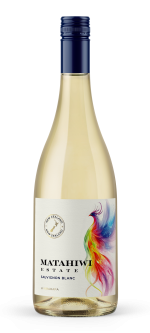
Sauvignon Blanc Wairarapa
With its zinging, tropical fruit and vibrant, streamlined palate, Matahiwi's pitch perfect Sauvignon Blanc leaves little to be desired. Grown in the north island's sunny, windswept Wairarapa district, these vines offer up plenty of passion fruit, gooseberry and tropical citrus on the nose, followed by a tangy palate and clean, mouth-watering finish. Certified sustainable and definitely delicious! 93 pts Cam Douglas, MS
- 12
- Color
- Bright lemon with green highlights
- Nose
- Gooseberry, passion fruit, grapefruit, and lime with hints of wet river stone
- Palate
- Vibrant and streamlined - with great tension and hints of dried herbs
- Finish
- Crisp, mouth-watering
- Vineyard Location
- Masterton, Wairarapa
- Vineyard Size
- 70 ha
- Varietals List
- 100% Sauvignon Blanc
- Farming Practices
- SWNZ Certified Sustainable; dry-farmed; homegrown mulches and seaweed used in lieu of hard fertilizers; vegan
- Elevation
- 150 m
- Soils
- Alluvial river terraces and gravel, topped with light sandy loam
- Maturation Summary
- In Steel for 3 months and Bottled for 3 months
- In Steel
- 3 months
- Alcohol
- 12.5 %
- Acidity
- 7.8 g/liter
- Residual Sugar
- 2 g/liter
- Annual Production
- 300,000 bottles
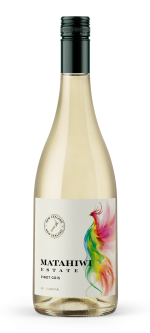
Pinot Gris Wairarapa
Hailing from the north island's cool and dry Wairarapa district, this classic grape variety takes on a distinctly New Zealand flavor profile with plenty of tangy nectarine and juicy, tropical fruit on the mid-palate, followed by a smooth and refreshing finish. As winemaker Miles Dinneen will tell you, "Warm days and cool nights allow for ripe, concentrated fruit while still maintaining freshness." All vines are sustainably farmed and the wine is made in small annual batches. 90 pts JS
- 12
- Color
- Light golden straw
- Nose
- Green melon, pear, and lemon zest
- Palate
- Supple, juicy, and tropical
- Finish
- Fresh and mineral-driven
- Vineyard Location
- Masterton, Wairarapa
- Vineyard Size
- 5 ha
- Varietals List
- 100% Pinot Gris
- Farming Practices
- SWNZ Certified Sustainable; dry-farmed; homegrown mulches and seaweed used in lieu of hard fertilizers; vegan
- Elevation
- 150 m
- Soils
- Alluvial river terraces and gravel, topped with light sandy loam
- Maturation Summary
- In Steel for 3 months and Bottled for 3 months
- In Steel
- 3 months
- Alcohol
- 12.5 %
- Acidity
- 4.7 g/liter
- Residual Sugar
- 4.4 g/liter
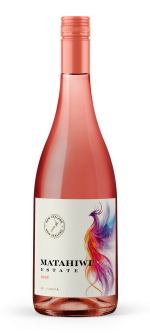
Rose Wairarapa
Juicy and fruit-driven, this vibrant pink benefits from the cool, dry climate of New Zealand's Wairarapa district with its 300+ days of sun tempered by breezes from both mountain and sea. Grown in the rain shadow of the Tararua Range, these Pinot Noir vines benefit further from the region's free-draining soils (similar to Burgundy's) which add to the wine's ripe, aromatic style, slight creaminess, and lingering, fresh finish.
- 12
- Color
- Pale pink
- Nose
- Strawberry, honeydew melon
- Palate
- Stone fruit, strawberry and raspberry
- Finish
- Fresh and lingering
- Vineyard Location
- Masterton, Wairarapa
- Vineyard Size
- 2 ha
- Varietals List
- 100% Pinot Noir
- Farming Practices
- SWNZ Certified Sustainable; dry-farmed
- Elevation
- 150 m
- Soils
- Alluvial river terraces and gravel, topped with light sandy loam
- Maturation Summary
- In Steel for 3 months and Bottled for 3 months
- In Steel
- 3 months
- Alcohol
- 12.0 %
- Acidity
- 5.5 g/liter
- Residual Sugar
- 5.5 g/liter